Choosing home window tinting near me is about more than curb appeal. A quality film can block harmful UV, reduce heat, lower energy bills, and increase privacy. This guide explains what to look for when you search for home window tinting near me and how to choose a reputable local installer who demonstrates Expertise, Authority, and Trustworthiness (EEAT).
What is home window tinting near me and why it matters
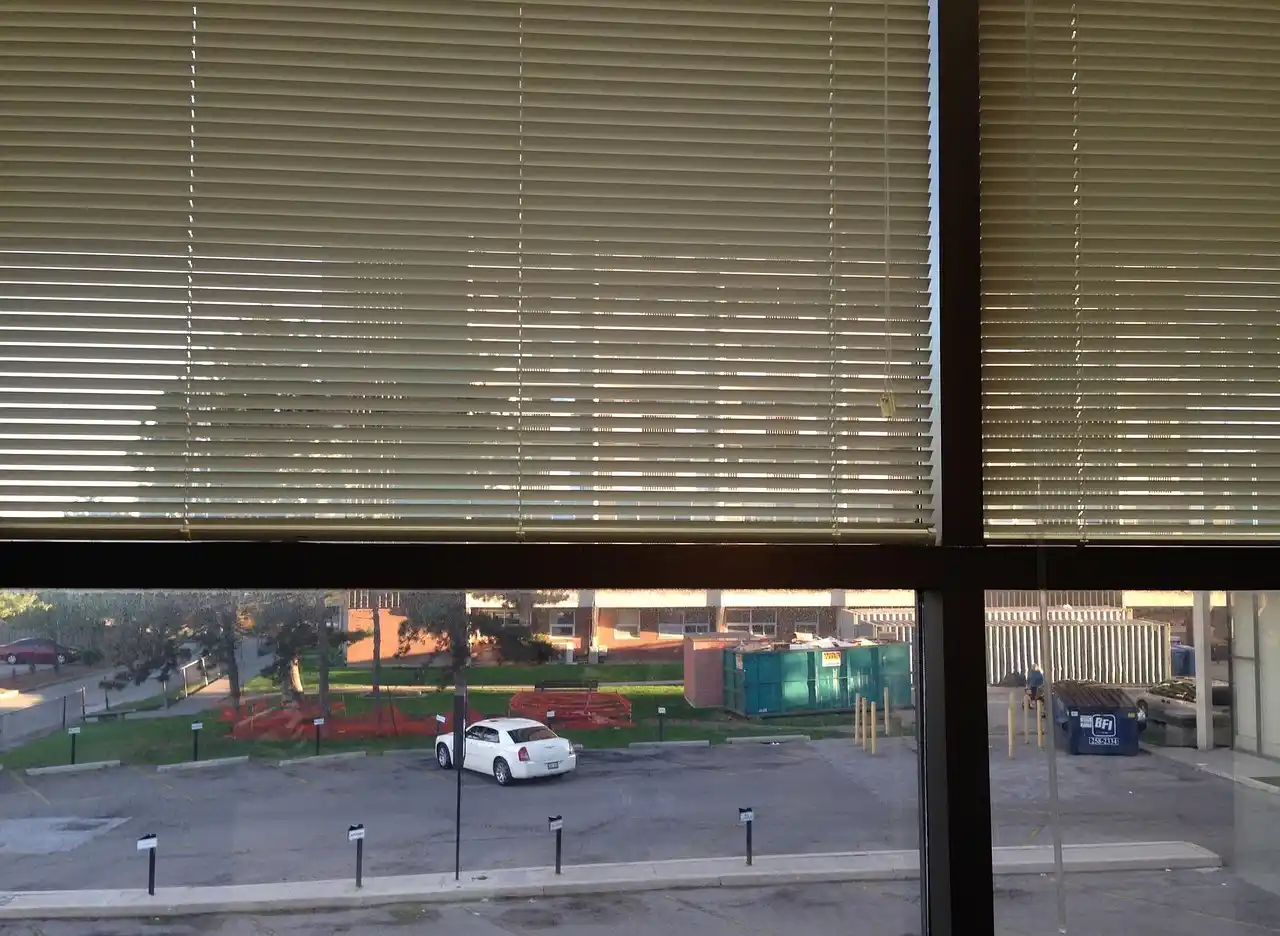
Window tinting for homes uses a thin film applied to the interior surface of glass. It reduces solar heat transfer, blocks UV rays, minimizes glare, and enhances privacy without sacrificing natural light. When you search for home window tinting near me, you should consider not only price but also the installer’s credentials and the film quality. A well installed tint can last years and may be warrantied by the manufacturer or the installer.
Choosing home window tinting near me — key factors
- Energy performance: A good film blocks infrared heat while preserving visible light, making rooms more comfortable and lowering cooling costs.
- Privacy and aesthetics: Choose a shade that matches your home exterior and interior needs without making rooms feel closed in.
- Film type and performance: Different technologies offer different levels of UV protection, glare reduction, and heat control.
- Warranty and service: Look for material warranties and workmanship guarantees. Reputable local installers are typically insured and registered.
- Legal considerations: Tint darkness and reflectivity are regulated by state and local laws. Ensure your tint complies with requirements for residential use and property resale.
Types of window tint for homes
Understanding film types helps you compare options when you search for home window tinting near me. The main categories are
- Ceramic tint: Superior heat rejection, excellent UV protection, non conductive, and minimal signal interference. Often premium priced but long lasting.
- Carbon tint: Matte finish, strong UV blocking and glare reduction, good durability, mid to high price.
- Dyed tint: Affordable entry level tint that reduces heat and glare but can fade or discolor over time and may not be as durable.
- Metalized tint: Very high heat blocking and durability, but can interfere with radio signals such as GPS or Wi Fi in some installations. Often used on commercial properties.
Legal considerations and warranties
Local ordinances determine tint darkness limits for homes. A qualified installer will know the regulations and provide documentation. Look for warranties that cover film adhesion and color stability, typically 5 to 15 years depending on brand and installation quality. A reputable local provider often offers post installation inspections and maintenance tips as part of a service package.
Cost, maintenance, and lifespan
Prices vary by film type, window size, number of panes, and labor. On average, residential window tinting near me can range from moderate to high, with ceramic and carbon films costing more but delivering longer life and higher performance. Maintenance is simple: clean with a soft cloth and mild soap; avoid abrasive cleaners that can scratch the film. Most films are designed to last 10 to 20 years with proper care.
How to find the right local installer
Start by asking for local references and checking online reviews. Verify credentials, ask about installation methods, and request a written quote with a clear warranty. Compare at least two or three options to gauge price, materials, and service. A trustworthy installer will walk you through shade options, solar performance metrics, and provide a transparent timeline.
Tint type comparison
| Type | UV Blocking | Glare Reduction | Signal Interference | Durability | Typical Cost |
|---|---|---|---|---|---|
| Ceramic | Excellent | High | None | Excellent | High |
| Carbon | Very Good | Good | None | Good | Medium to High |
| Dyed | Moderate | Moderate | None | Low | Low to Medium |
| Metalized | High | Very High | Possible | Very Good | Medium to High |
Conclusion
Conclusion, selecting home window tinting near me requires balancing film performance, installer credibility, and local regulations. Prioritize UV and heat protection, review warranties, and choose a licensed local installer with transparent pricing and strong references for lasting comfort and energy savings.