Choosing the right bathroom tile sets the tone for durability, aesthetics, and value. This guide covers materials, maintenance, and installation to help homeowners and designers make informed decisions.
What makes a good bathroom tile
A quality bathroom tile should resist moisture, be easy to clean, and provide a safe surface underfoot. Look for products with appropriate slip ratings, verified water absorption rates, and proven durability in wet environments.
Tile materials
Porcelain and ceramic tiles
Porcelain tiles are dense, water resistant, and less prone to staining; they are ideal for floors and showers. Ceramic tiles are typically more affordable and offer a wide range of patterns and colors. Both are usually glazed to protect the surface, making maintenance simple.
Natural stone options
Stone such as marble, travertine, or granite offers a luxury look. Stone is porous and often requires sealing to resist moisture and stains. Routine sealing, gentle cleaners, and proper ventilation help preserve its beauty over time.
Other options
Glass tiles create light and sparkle, while metal and textured tiles add accent surfaces. Consider the surface texture in wet areas to balance aesthetics with slip resistance. For bathrooms, matte or honed finishes often feel safer underfoot than glossy surfaces.
Sizes, patterns, and layouts
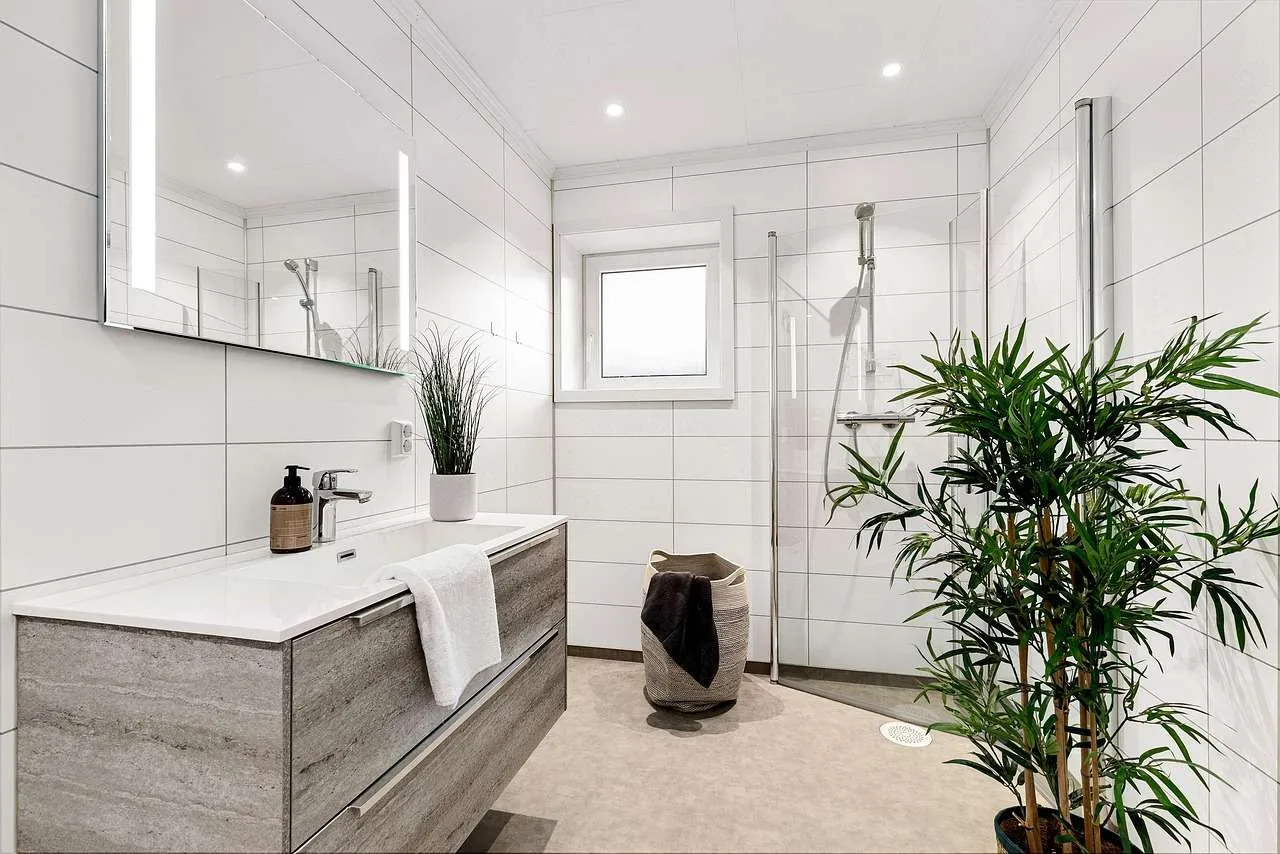
Large-format tiles reduce grout lines for a cleaner, more contemporary look, but require a very flat substrate and careful installation. Small tiles and mosaics excel in irregular spaces and allow intricate patterns. Popular patterns include herringbone, checkerboard, and stacked layouts. When choosing patterns, consider grout color—light grouts can show dirt more readily, while dark grouts mask stains but may emphasize lines in older homes.
Installation considerations
Preparation and substrate
Proper installation begins with a clean, level substrate. Remove old flooring or wall coverings, repair uneven areas, and install a moisture barrier or backer board where needed. In showers, ensure there is a reliable waterproofing membrane behind the tile to prevent leaks.
Grout, sealants, and maintenance
Epoxy grout resists staining and mildew better than cement-based grout, but is more costly and requires proper mixing. If you install natural stone, seal the stone according to manufacturer recommendations and re-seal periodically. Regular cleaning with pH-neutral cleaners helps extend tile life.
DIY vs. hiring professionals
Some smaller projects can be tackled by competent DIYers, especially wall backsplashes and small shower niches. However, for floor tiling in baths, water-proofing, and cutting around fixtures, hiring a licensed tile installer improves results and reduces future repair costs, aligning with EEAT expectations.
Design ideas and trends
Neutral palettes—creams, greiges, and soft whites—remain timeless, while warm wood-look porcelain and large-format tiles create spa-like spaces. Accent bands, glass mosaics, and geometric patterns offer personality without overwhelming the room. For safety, choose slip-resistant textures and ensure transitions between tile and other flooring are seamless for wet areas.
Cost, budgeting, and care
Tile costs vary by material, finish, and installation complexity. Budget for substrate prep, waterproofing, grout, and installation labor. Porcelain and ceramic tiles are typically mid-range; natural stone increases costs due to sealing and maintenance. A clear scope and written estimates help avoid surprises and ensure you meet EEAT standards for transparent budgeting.
| Tile Type | Pros | Cons | Typical Cost / ft² | Best For |
|---|---|---|---|---|
| Porcelain | Highly durable, low water absorption | Can be harder to cut; higher upfront cost | $2–$5 | Floors, showers |
| Ceramic | Affordable, wide design range | Less dense than porcelain | $1–$3 | Walls, backsplashes |
| Natural Stone | Luxurious look, unique character | Porous, requires sealing | $6–$15 | Wet areas with maintenance |
| Glass | Reflects light, modern accents | Slippery when wet, lines show dirt | $8–$20 | Backsplashes, accents |
| Large-Format | Fewer grout lines, sleek look | Substrate must be very flat | $3–$7 | Floors, shower walls |
Care and maintenance routines extend tile life. Use non-abrasive cleaners, wipe spills promptly, and address any cracks quickly to prevent water intrusion. Maintain proper ventilation to reduce mold and mildew growth in bathrooms.
Summary This article covered tile materials, patterns, installation, and care to help you choose durable, stylish bathroom tile and avoid common pitfalls.